The airship, humanity's oldest controllable aerostat, once enjoyed a glorious history. The subsequent emergence of airplane and helicopters, which proved more advantageous for operations within the troposphere, gradually led to the airship's retreat from the historical stage. Today, airships are rarely seen in the skies.
With societal progress, ambitions have extended beyond flying within the troposphere and lower stratosphere, shifting focus to near-space above 20,000 meters in altitude. In this realm of extremely thin air, most existing heavier-than-air vehicles are rendered ineffective, while lighter-than-air aerostats possess unique advantages unmatched by their heavier counterparts. Consequently, over the past few decades, efforts have persisted to develop controllable lighter-than-air vehicles for near-space—stratospheric airships. Numerous concepts have emerged, with scientists and engineers worldwide dedicating relentless effort. Yet, nearly half a century later, a practical stratospheric airship remains unrealized. Compared to the era when airships dominated the skies, today's aerospace technology and industrial capabilities have advanced significantly—humanity can now aspire to reach Mars. Why, then, does a seemingly simple stratospheric airship remain elusive?
Researchers at Zhuhai NCA observed that previous attempts to build stratospheric airships, confined to traditional airship principles and structures, all encountered a web of interrelated, currently unsolvable problems stemming from the need to counteract atmospheric pressure.
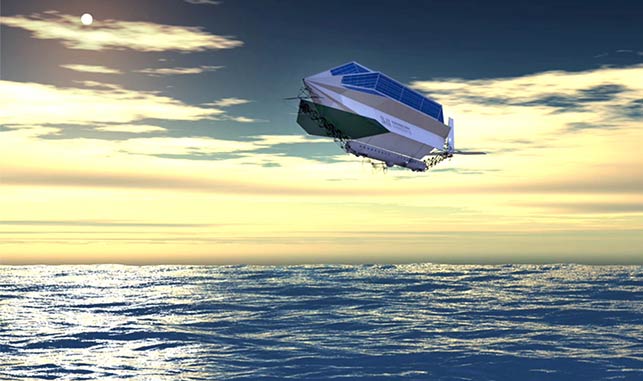
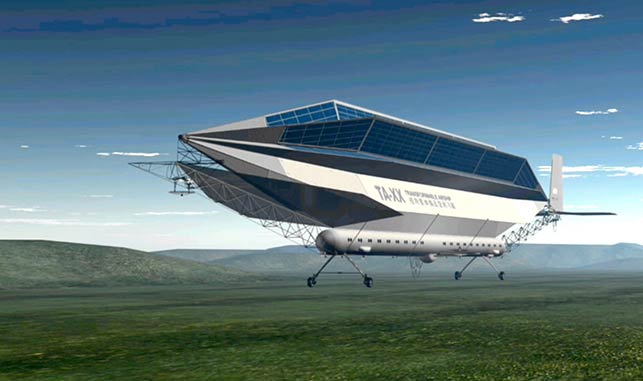
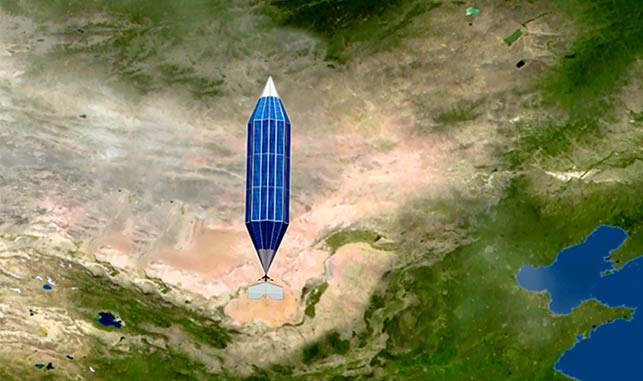
In 2000, New Concept Aircraft (Zhuhai) Co., Ltd. (referred to as Zhuhai NCA) created a novel type of aerospace vehicle: the Transformable Airship. This design fundamentally alters traditional airship principles and construction. It does not need to resist atmospheric pressure and is controllable for round-trip flights between the ground and the mid-stratosphere above 30,000 meters. During its development, Zhuhai NCA's team faced immense difficulties and challenges across numerous fronts: re-establishing airship theory, innovating specific structures, pioneering engineering materials and manufacturing techniques, developing countermeasures and solutions for extreme atmospheric environmental effects on the vehicle, and creating flight control methods and piloting technologies.
In 2005 and 2007, the Chinese and United States patent offices respectively granted Zhuhai NCA invention patents for original, independently developed intellectual property for the Transformable Airship.
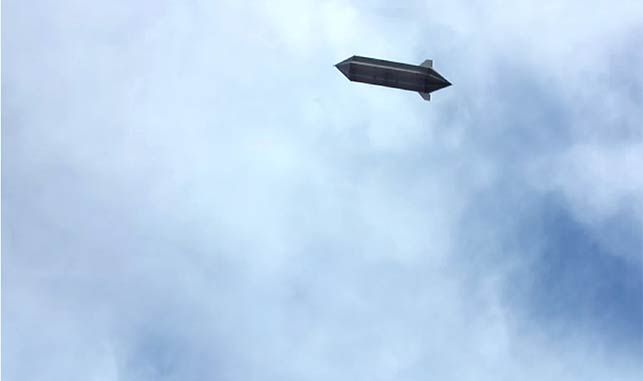
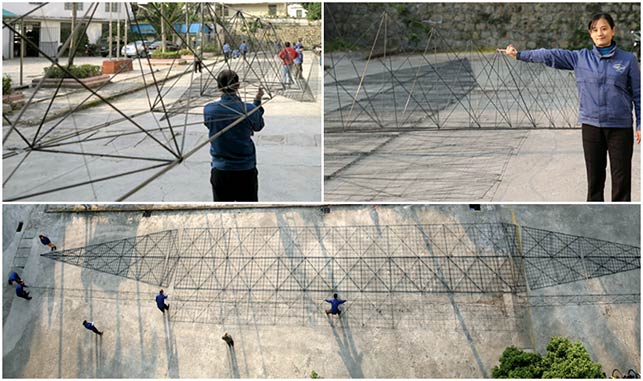
In 2012, Zhuhai NCA completed the design and manufacture of engineering prototypes for the Transformable Airship at various scales and successfully conducted the world's first mid-to-low altitude flight tests of an equivalent prototype.
In 2013, Zhuhai NCA successfully performed practical application experiments in Inner Mongolia, China, testing the Transformable Airship's avionics & mission, energy, and propulsion subsystems from ground level to near-space at 40,000 meters.
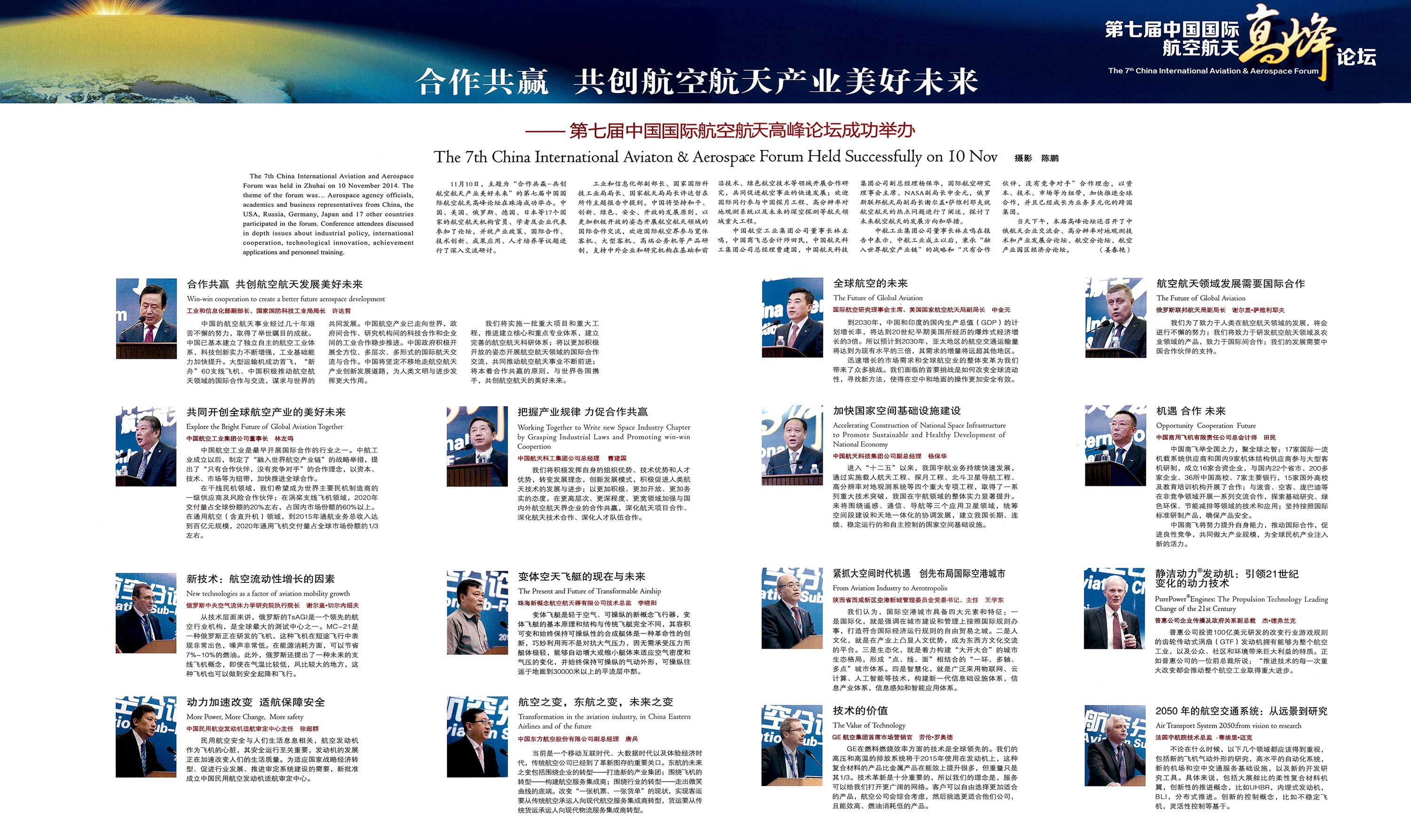
In November 2014, at the "7th China International Aviation & Aerospace Forum" during the Zhuhai Airshow, Dr. Danny H. Y. Li, Chief Designer of Zhuhai NCA, delivered a keynote speech titled "The Present and Future of the Transformable Airship." He introduced its scientific principles, development history, and current status to a distinguished international audience, including senior executives from top global aerospace companies, government officials, experts and scholars in the field, leaders of relevant international organizations, renowned aircraft manufacturers, suppliers, operators, and airlines, garnering significant attention from the international industry.
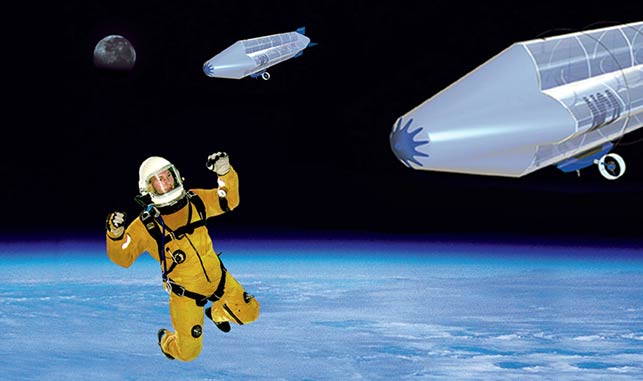
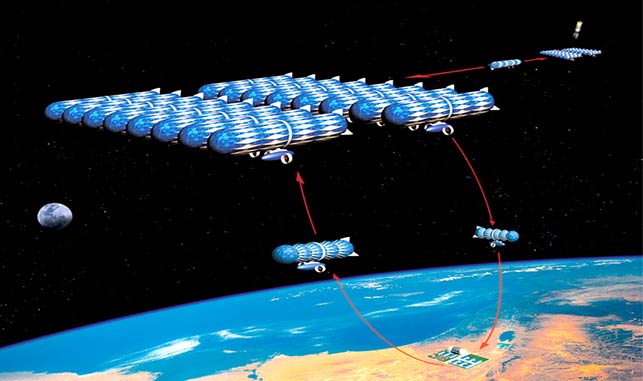
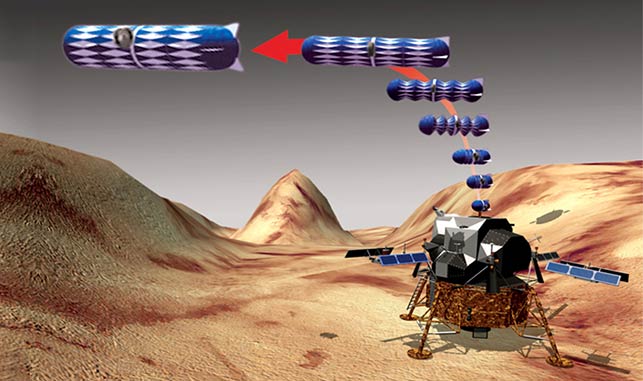
The large-payload variant of this project, the Transformable Transport Airship, can significantly increase the load capacity per unit volume and enhance wind resistance during tropospheric operations. It offers advantages unavailable to aircraft and helicopters, making it suitable for low-cost short-haul transport, transportation between islands and in topographically complex mountainous regions, and aerial tourism. The near-space variant of this airship is primarily intended to partially replace suborbital satellite functions. It holds broad market prospects in areas such as real-time data acquisition and sensing in near-space, real-time Earth observation and data sharing, near-space communications relay and high-altitude internet, establishing near-space secondary launch platforms, and near-space tourism.
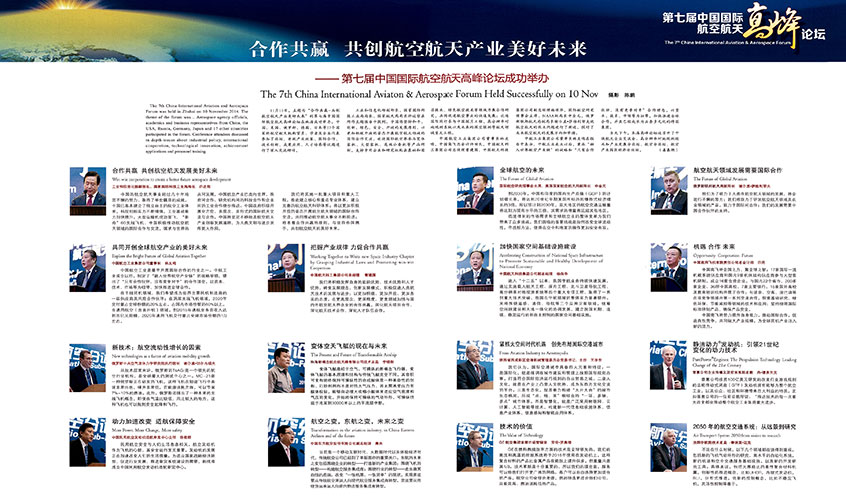
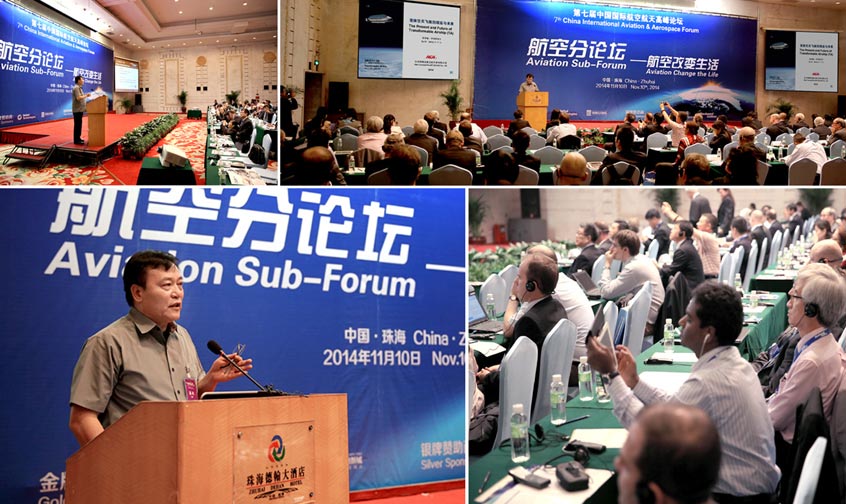
Dr. Danny H. Y. Li Delivered Keynote Speech on The Present and Future of Transformable Airship at International Aviation & Aerospace Forum
 Integrated-wing high
 Robotic gecko &
  Long endurance
  Machine Butterfly,
  "Near Space Pioneer" micro lab
 Transformable airship
 Optical science &
  Commercial Fixed-wing
  Mirror-Array PV (MA-PV)
 Marine engineering equipment
  Underwater lift with large load and lower consumption
  Transformable submarine
 Device for development and utilization of waste heat energy
  Integrated microgrid system
 Device for waste gas (steam) - cleaning
  Climbing robot for highrise fire-fighting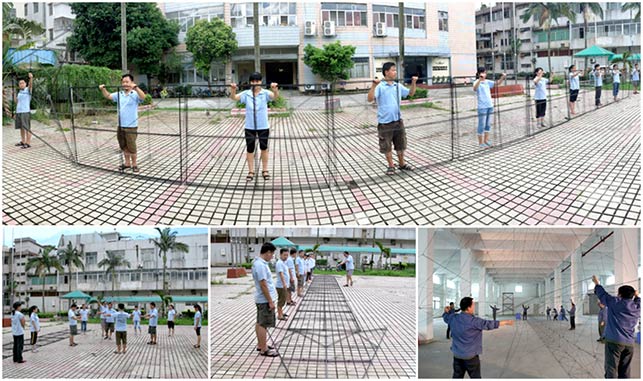


 粤公网安备 44049002000305号